
Thinking About Stress Physiology
When the heat is on and the A/C’s off
On a recent trip to Vermont to help a friend troubleshoot some issues in his dairy herd, the air conditioning in my car suddenly stopped working.
Over the course of the next few miles, I experienced several kinds of stress. First, there was the stress that comes from imagining how much cash I’ll have to shell out to get it fixed (I have kids in colleges whose tuition have dibs on that money!). Next there was the stress from starting to feel more than just a little hot. And finally, the irrational irritation at every other driver on the road. Classic signs that something inside was shifting — stress in action.
Being the self-aware guy that I am, I pulled over and opened the Calm app—an employee perk I genuinely enjoy. With the windows down and a soothing voice reminding me to breathe and sit up straight, I started thinking about cows. Specifically, the kind of stress they deal with every day.
Heat stress in dairy cows: What the research tells us
My colleague Justin called then and interrupted my meditation. I rolled up the windows and asked him if he ever thought about heat stress as sweat was dripping off my forehead. He mentioned that he saw Professor Lance Baumgard — a bona fide rock star in our industry — in the heat of a Chicago summer talk about Heat Stress at the International Symposium on Ruminant Physiology.
Justin sent me the link to Baumgard’s recently published review in the Journal of Dairy Science, titled: “Integrating our understanding of stress physiology”
When I finally reached my air-conditioned hotel room that evening, I dove into the paper. The really cool thing—so cool, so so cool (ha, see what I did there?)—was how clearly Baumgard connected the dots between common stressors and health outcomes in dairy cows.
He didn’t just focus on heat. He tied in cold, transportation, weaning, overcrowding, feed restriction, transition—all the abiotic stressors dairy cows face—and showed how, when unaddressed, these stressors can go from manageable to pathological.
How heat stress affects dairy cow health and productivity
Dr. Baumgard and his colleagues laid out several major insights, but three stood out to me.
1. Stress responses are conserved. This means that their effects remained largely the same over time, across different species and/or conditions. In biology, this term is often used to describe genes, physiological processes, or metabolic pathways that are similar or identical across various organisms because they play essential roles in survival.
2. Heat stress isn’t just about feed intake. HS is responsible for an estimated $1.5 billion in losses to the U.S. dairy industry every year. While reduced intake plays a role, it’s only a piece of the puzzle. Heat stress also:
-
Reduces milk yield and reproductive performance
-
Increases morbidity and even mortality
-
Harms fetal development and long-term productivity
3. The gut is ground zero. The gastrointestinal tract (GIT) serves as both a nutrient-processing system and a protective barrier against harmful gut content. In other words, the GIT barrier is central to stress pathology, and a compromised GIT allows luminal contents (i.e. the stuff inside lumen of the GIT such as food particles and nutrients being digested, microorganisms, digestive enzymes, bile, mucus, gastric acids, and waste products) to infiltrate and trigger an immune response.
More about that leaky gut
It is known that various stressors can induce gut hyperpermeability (or “leaky gut”), leading to systemic inflammation. The weakened barrier allows pathogens and bacterial toxins like gram negative lipopolysaccharides (LPS) to enter circulation, triggering immune activation (i.e. stress negatively impacts GIT epithelia through mast cell degranulation, leading to immune activation) and release of pro-inflammatory cytokines (TNF-?, IL-1?, IL-6). The activated immune cells cause a shift in energy metabolism, and they require significant glucose (e.g., over 2 kg/day in lactating dairy cows). In other words, the body adjusts metabolically to prioritize glucose for immune function, characterized by increased insulin levels, hypercortisolemia, and hyperprolactinemia. In turn, immune cell-driven oxidative stress, paradoxically favors pathogen colonization. In dairy cows, this means that milk production decreases to free up glucose for the metabolic shift.
In his review, Dr. Baumgard mentioned that HS has been shown to weaken intestinal integrity across species, including pigs, chickens, cows, rodents, monkeys, and humans. I was feeling better after my hot drive, but I noted that HS activates the hypothalamic-pituitary-adrenal (HPA) axis, releasing CRF which is a neuropeptide in brain chemistry that regulates the body’s stress response and cortisol hormone, which disrupts the gut integrity. I rubbed my belly thinking about what I should do about my own gut integrity.
The role of chromium in helping cows manage heat stress
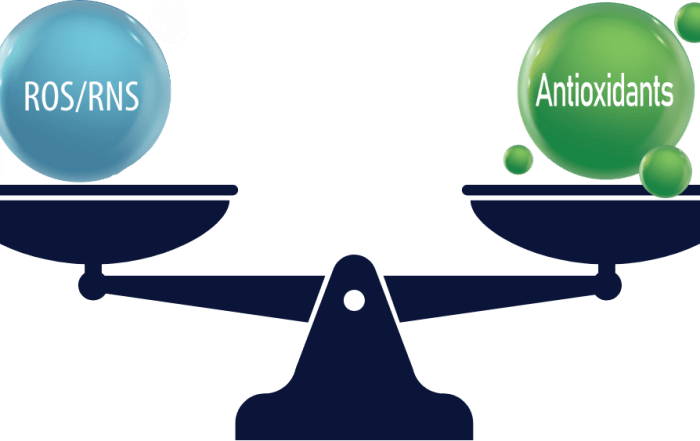
In my mind, Professor Baumgard’s review laid foundation for the integration of our understanding of stress in ruminant physiology, but he also initiated an important conversation around the need for better mitigation strategies. I started thinking about how chromium is beneficial for heat stress mitigation because it plays a role in metabolism, immune function, and antioxidant defense thereby helping animals cope with stress more effectively. Chromium improves insulin sensitivity, ensuring efficient glucose utilization, which is crucial during heat stress when energy demands shift. Chromium and selenium can act as antioxidants which reduce free radical damage and support cellular health.
TL; DR: Stress first, then feed
If we want to optimize dairy nutrition, especially in the summer months, we need to think beyond feed intake. We need to ask: Is the cow’s body even in a state to use this ration efficiently?
Baumgard’s research offers a powerful reminder:
-
All stressors can become pathological
-
The gut barrier is key
-
And tools like Chromium can make a real difference
Final thought from the front seat
To mitigate my own levels of reactive oxygen species and CRF as much as possible before my drive back to New York, I lowered the temperature in my hotel room even more and launched the Calm app at the same time. I planned in my head to double check on the levels of chromium and selenium in my own daily supplement regimen as well — to steel myself against the AC repair bill that is surely on its way.
Author: Rick Brown is Chemlock Nutrition’s Dairy Science Director with a BS in Animal Science from Cornell University.