
Thinking About Calcium Dynamics, Inflammation, and an Old Riddle
I attended the American Dairy Association’s annual meeting in Louisville, Kentucky, last week and had the opportunity to see a tremendous amount of research that was conducted by some terrific scientists.
A poster presentation by Amy Lange from United Animal Health caught my attention. Her presentation discussed the levels and types of enteric pathogens in transition dairy cows, as well as cows with GI or metabolic issues. Amy mentioned that enteric pathogens, such as E. coli, C. perfringens, and others peaked in fresh cows, which piqued my interest. Moreover, higher levels of GI pathogens may reflect the effects of inflammation and immunosuppression in the rumen. Naturally, but don’t ask me why, transition dairy cow health started me thinking about the age-old chicken or the egg debate.
SCH and inflammation — which came first?
Did subclinical hypocalcemia (SCH), and the calcium dynamics associated with it, start with inflammation? Or is inflammation one of the effects of subclinical hypocalcemia? This led to a whole slew of other questions: How should I be thinking about the role of inflammation in SCH? What is inflammation as it relates to immunosuppression? Are there nutritional strategies for inflammation and microbial control? What should I have for dinner tonight, chicken or eggs?
Do calcium levels reflect cause or effect?
It was merely 5 years ago that we started talking about SCH in a different way thanks to Professor Jess McArt et al. They investigated how different patterns of SCH in early postpartum Holstein cows affect health outcomes and milk production. They grouped 407 cows by parity (primiparous vs multiparous) and calcium levels in early lactation into four categories.
- Normocalcemic (NC)
- Transient SCH (tSCH)
- Persistent SCH (pSCH)
- Delayed SCH (dSCH)
Dyscalcemia is the term that describes pSCH and dSCH and is defined as Ca levels below 8.8 mg/dL at 4 DIM. Videos of Dr. McArt talking about this research can be seen here. They’re great! You should definitely watch them.
Their research found that tSCH cows, especially multiparous ones, produced more milk than other groups, and their risk for disease was similar to or slightly elevated compared to NC cows. On the other hand, dSCH and pSCH (the dyscalcemic cows) had a significantly higher risk of adverse events (such as metritis, displaced abomasum, herd removal) regardless of parity. The superior milk yield of tSCH cows suggested better metabolic adaptation. Or could it mean that there was less inflammation in those tSCH cows? (Chicken or the egg again?)
Where does inflammation fit in?
At the same time, Professor Lance Baumgard et al. wrote about inflammation and SCH. The transition period from gestation to lactation involves major physiological, metabolic and inflammatory changes that critically affect a cow’s health, future productivity, and survival in the herd. Traditionally, issues like excessive fat mobilization, ketone production, and SCH were believed to be the cause of transition-related disorders by suppressing immune function. However, despite decades of research, transition problems remain widespread.
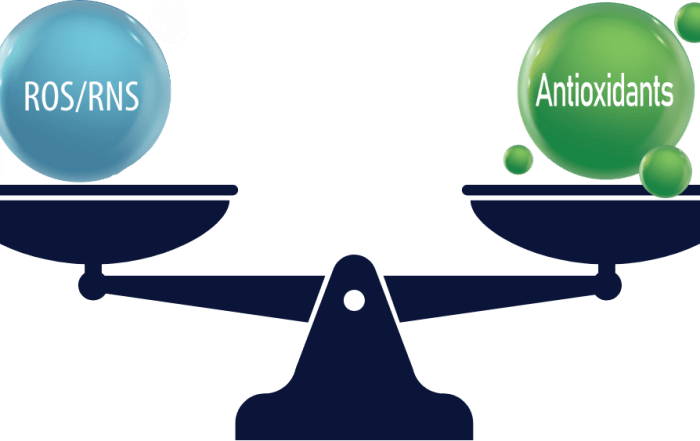
Emerging evidence suggests that immune activation and inflammation are normal (and possibly primary) drivers of the metabolic changes seen postpartum. Inflammatory signals, originating from the mammary gland, gut, and tissue damage related to calving can reduce feed intake, induce hypocalcemia, and increase non esterified fatty acid (NEFA) and ketone levels.
Baumgard argued that these metabolic markers (NEFA, ketones, calcium) might not be causal but rather a reflection of either healthy metabolic adaptation or pathological immune responses. In essence, the cow’s immuno-metabolic balance, not just traditional biochemical markers, may be the key to understanding transition success. I wonder out loud if natural immunosuppression, so to speak, allows enteric pathogens to gain a foothold in the GI, thereby modifying the metabolic response and perhaps the calcium dynamics, and is related to the aforementioned categories of dyscalcemia.
Is SCH a disorder or is it a symptom?
It turns out that I’m not the first to ponder the root cause of SCH. In 2023, Neves suggested that a central debate emerged. Is SCH a causal disorder, or is it a symptom of deeper physiological stress, such as systemic inflammation? Though immune activation has been proposed as a potential trigger for low calcium levels, the mechanisms linking inflammation to hypocalcemia remain poorly understood. He also suggested that rather than treating SCH as an isolated calcium deficiency, researchers should focus on the degree, timing, and duration of low blood calcium to understand its broader metabolic significance.
This position highlighted that systemic inflammation, particularly sterile inflammation, may play a crucial role in causing subclinical hypocalcemia (SCH) in postpartum dairy cows. One of the ways researchers try to understand the role of inflammation is by measuring haptoglobin in the blood. This molecule supports immune response and is considered an acute-phase protein, meaning its levels rise during inflammation or infection.
Also, at ADSA, Seminara and McArt investigated whether blood haptoglobin concentrations at 2 days in milk (DIM) could predict early lactation maladaptation, specifically dyscalcemia (low serum calcium ? 2.2 mmol/L), decreased milk yield, and herd removal risk in multiparous Holstein cows. Early elevated haptoglobin (2 DIM) correlates with greater dyscalcemia risk, poorer milk production, and possibly higher herd removal, suggesting it could be a useful biomarker for early lactation stress or maladaptation.
Neves’s group at Purdue found similar systemic inflammation, marked by elevated haptoglobin, was significantly associated with both SCH and hyperketonemia. This inflammation appears to lower milk production in multiparous cows. While multiple mechanisms linking inflammation to reduced plasma calcium have been identified, I can’t help but think that we don’t know the whole puzzle just yet. For example, how do we differentiate sterile inflammation from endotoxemia as primary SCH drivers? Especially considering Amy Lange’s measurements.
Where do we go from here?
This is such a rich area of rumination. It’s easy to get excited by the possibilities. I can’t help but think that Chemlock Nutrition products like Nutricow® CalBal®, Nutrilock® Chromium and Nutrivit™ Puri-D® are already playing a role in today’s nutritional strategies, even as the debate (and more importantly the science) continues to evolve.
By the way, the answer is the chicken. Definitely. No, wait, the egg. 100%. Or maybe it IS the chicken. Possibly the egg. Argh!
Author: Rick Brown is Chemlock Nutrition’s Dairy Science Director with a BS in Animal Science from Cornell University.