
Thinking About Oxidative Stress in Dairy Cows (Part 2)
I’m back with part two of my deep dive on Ángel Abuelo’s paper, Shakin‘ Off the Rust – Oxidative Stress and Redox Status as Underlying Factors of Immune Dysfunction in Periparturient Cows and Preweaning Calves (Abuelo, 2025). If you haven’t read part one, you can find it here.
Last time, we unpacked what oxidative stress really means and why it matters for herd health. In this follow-up, we’ll look at how to manage it, using biomarkers, better antioxidant strategies, and monitoring.
For a long time, antioxidant supplementation in dairy cows consisted of mostly vitamin E and selenium and was used simply to prevent deficiency. That approach made sense years ago, but modern cows face far greater metabolic and immune challenges. Today’s higher production demands create stress levels that traditional feeding programs were never built to handle.
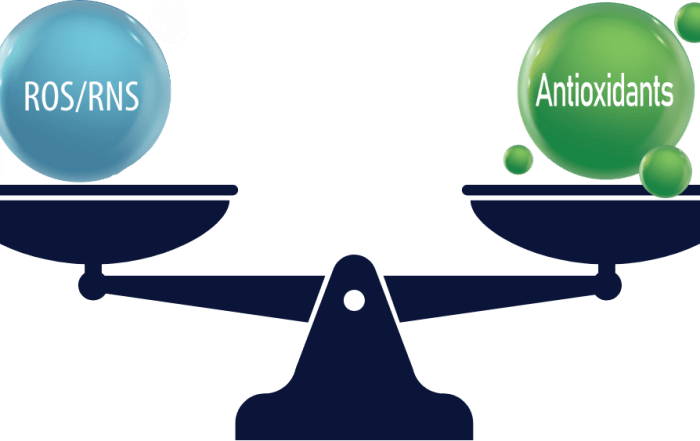
While supplementation can help cattle cope with these challenges, too much of a good thing can backfire and cause more oxidative damage and increase the number of health problems. And without clear cut-offs for measuring OS, it’s hard to know what level of supplementation is both safe and effective.
Biomarkers for inflammation in dairy cows
The key is having good markers. For years, supplementation was guided by max limits or broad prevention guidelines, but that approach doesn’t fit today’s production demands. Biomarkers give us a sharper tool, showing when and where antioxidant support is truly needed. The gold standard is F2-isoprostanes, measured by LC-MS, which directly reflect lipid damage.
Other markers, like advanced oxidation protein products (AOPPs), can also be helpful, especially when their values are adjusted for total protein or albumin levels. AOPPs form when proteins are damaged by oxidative stress, so they serve as indicators of protein oxidation in the bloodstream. Adjusting for protein or albumin matters because those levels naturally rise and fall during calving or inflammation, and unadjusted numbers can give the wrong impression. While LC-MS testing isn’t something you can do on the farm yet, periodic lab testing still provides valuable insight for making supplementation decisions and comparing results across herds.
Modern antioxidant plan for modern cows
A modern antioxidant plan needs to go beyond just vitamin E and selenium. Those are still important, but they’re only part of a larger defense system. Antioxidant protection comes from a network of nutrients that work together to keep redox balance in check and help animals handle stress.
Some of the key players include:
- Polyphenols (like flavonoids): help reduce inflammation and support immune function.
- Carotenoids (like beta-carotene): protect cell membranes and strengthen immune signaling.
- Trace minerals (such as zinc and manganese): act as cofactors for the body’s own antioxidant enzymes.
Bringing these together in a balanced program gives animals broader, more reliable protection against oxidative stress.
That said, precision still matters. Some nutrients, selenium, for example, have a very narrow safety range. Too little doesn’t work, and too much can do harm. The goal is to build a complete antioxidant network, not to oversupply any one part of it.
Monitor, measure and maintain
You wouldn’t stop checking milk yield after changing the ration, right? The same goes for antioxidant programs. Monitoring can’t stop once supplements are added. Follow-up testing shows whether your changes are helping, or if they’re stirring up more oxidative stress than they solve. That feedback loop is what keeps the plan honest. It lets you fine-tune dosing and make sure the program stays both biologically safe and truly effective over time.
Oxidative stress isn’t just a concept. It’s something you can measure, manage, and improve. The first step is recognizing when it’s likely to be a problem: for example, around calving, during feed transitions, or anytime cows are under metabolic or environmental stress. From there, there are a few key actions you can take:
- Monitor routinely using biomarkers where possible, even if only through periodic lab testing.
- Balance your antioxidant strategy. Don’t rely solely on vitamin E and selenium. Include other compounds like polyphenols, carotenoids, and key trace minerals.
- Adjust based on results. Use feedback from testing and herd performance to fine-tune rates rather than sticking to blanket programs.
Managing oxidative stress this way helps protect immune function, reduce disease risk, and improve productivity. In short, it’s about moving from guesswork to guided action—and making oxidative balance a standard part of herd health management.
As I ruminate about supplementation strategies for oxidative stress, inflammation, and immune function, I can’t help but wonder if managing oxidative stress might be the key to easing many of those subclinical, slow-burn problems we battle every day.
Author: Rick Brown is Chemlock Nutrition’s Dairy Science Director with a BS in Animal Science from Cornell University.